
A domain name trademark conflict arises when a domain string is identical or confusingly similar to a third party’s registered or common-law mark, and a buyer neutralizes it before closing through trademark clearance, registrant history audits, and contractual risk allocation. In ultra premium domain acquisitions, the strongest defenses are pre-offer USPTO and WIPO database searches, a documented good-faith use plan, and escrow terms that assign dispute liability. Completing these three controls before payment moves exposure to UDRP complaints and ACPA litigation away from the buyer’s balance sheet.

If you are shortlisting names right now, review a curated ultra premium domain inventory screened for registrability and clearance risk before you start negotiating, because a clean starting point removes half of the work described below.
Why Trademark Conflicts Matter More in Ultra Premium Deals
Ultra premium domains carry price tags that make mistakes expensive. A one-word .com that costs six or seven figures is not a casual purchase, so a single overlooked trademark can turn a smart asset into a liability.
Consider what is at stake in a typical deal:
- Purchase price: The money you pay can be lost if a panel orders the name transferred away from you.
- Brand equity: Months of marketing, product launches, and customer acquisition can vanish with one adverse ruling.
- Legal fees: Defending a complaint often costs far more than the filing fee itself.
- Reputation: Public decisions name the respondent, which can embarrass a young company.
Short, memorable words also attract the most trademark filings. Brand owners register simple terms across many industries, so the best domains often sit inside someone else’s protected territory. Therefore, the more valuable the name, the more likely a rights holder has already noticed it.
This guide walks through the full process: how conflicts form, how to detect them, how to price the risk, and how to structure the deal so a dispute never reaches a panel or a courtroom. It is educational content and not legal advice, so involve a qualified trademark attorney for any deal of significant value.
What is a Domain Name Trademark Conflict?
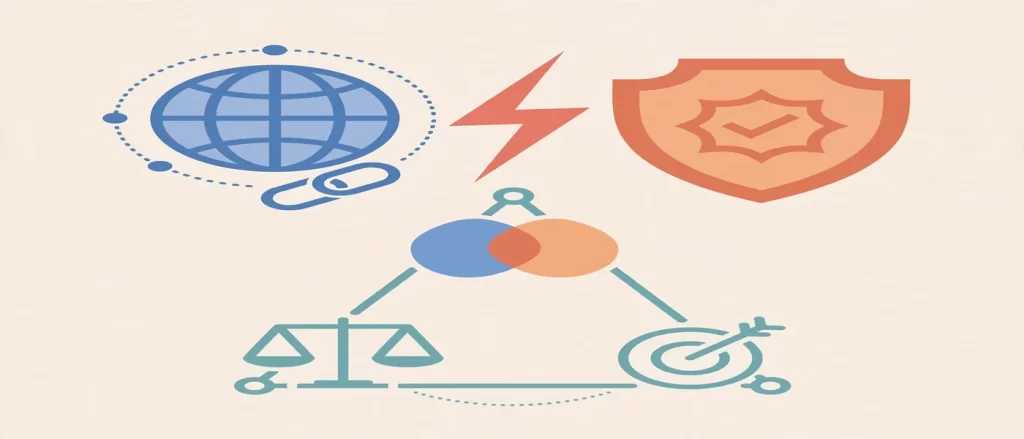
A domain name trademark conflict is a clash between a domain name and an existing trademark right. The trademark owner claims that the domain misleads consumers, dilutes a famous mark, or was registered to profit from the mark’s reputation.
Three features define most conflicts:
- Similarity: The domain is identical or confusingly similar to a protected mark.
- Rights: The domain holder lacks a legitimate interest in the term.
- Intent: The registration or use suggests bad faith, such as targeting the mark owner or its customers.
Notably, similarity alone does not decide the outcome. A dictionary word can be a valid trademark for one product and a free-to-use word for everything else. For that reason, context, industry, and intended use matter as much as the letters themselves.
Registered Marks vs. Common-Law Marks
Registered marks appear in official databases, which makes them easy to find. Common-law marks arise from actual use in commerce and may never be filed anywhere. Consequently, a clean database search does not guarantee a clean name. You also need to search the open web, app stores, social platforms, and industry directories.
Where Disputes Actually Happen
Most disputes follow one of three paths:
- UDRP complaints: An administrative proceeding run by approved providers under ICANN’s policy.
- ACPA lawsuits: A federal claim in the United States under the Anticybersquatting Consumer Protection Act.
- Trademark infringement or dilution claims: Traditional lawsuits that treat the domain as one more piece of infringing conduct.
You can read the official framework in ICANN’s Uniform Domain-Name Dispute-Resolution Policy, which every .com registrant agrees to follow.
How a Domain Name Trademark Conflict Turns Into a Legal Dispute
Disputes rarely appear without warning. Instead, they follow a predictable sequence that you can interrupt at several points.
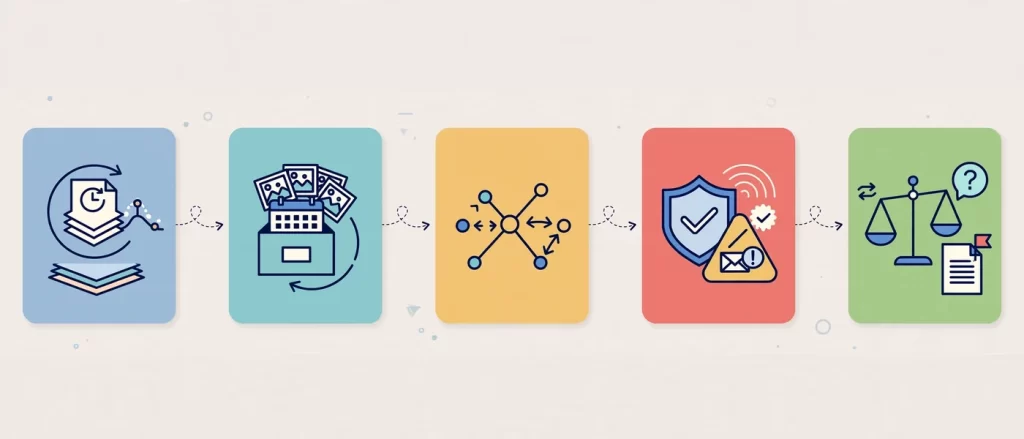
The Typical Escalation Sequence
- Discovery: A brand owner notices your domain through monitoring software or a customer report.
- Cease-and-desist letter: The owner’s counsel demands transfer, usually with a short deadline.
- Informal negotiation: Both sides explore a purchase, a coexistence agreement, or a retreat.
- Formal complaint: The owner files a UDRP complaint or a federal lawsuit.
- Decision or settlement: A panel or judge rules, or the parties settle.
Most buyers lose leverage at step one. If your files show no prior diligence, no use plan, and no clear explanation for choosing the name, the owner’s counsel gains the upper hand quickly.
The Three UDRP Elements in Plain English
The UDRP asks a complainant to prove three things at the same time:
- The domain is identical or confusingly similar to a mark in which the complainant has rights.
- The registrant has no rights or legitimate interests in the domain.
- The registrant registered and used the domain in bad faith.
The WIPO guide to the UDRP explains each element and the evidence panels commonly accept. Importantly, the burden sits with the complainant, so a well-documented buyer starts from a strong position.
What Bad Faith Looks Like to a Panel
Panels typically look for patterns such as:
- Offering the domain to the mark owner for a price far above out-of-pocket costs.
- Registering the name to block the owner from reflecting its mark online.
- Using the domain to divert customers through confusion.
- Registering many names that target different brands.
Notice that these patterns depend on intent. Because intent is judged from evidence, your paper trail becomes your best defense.
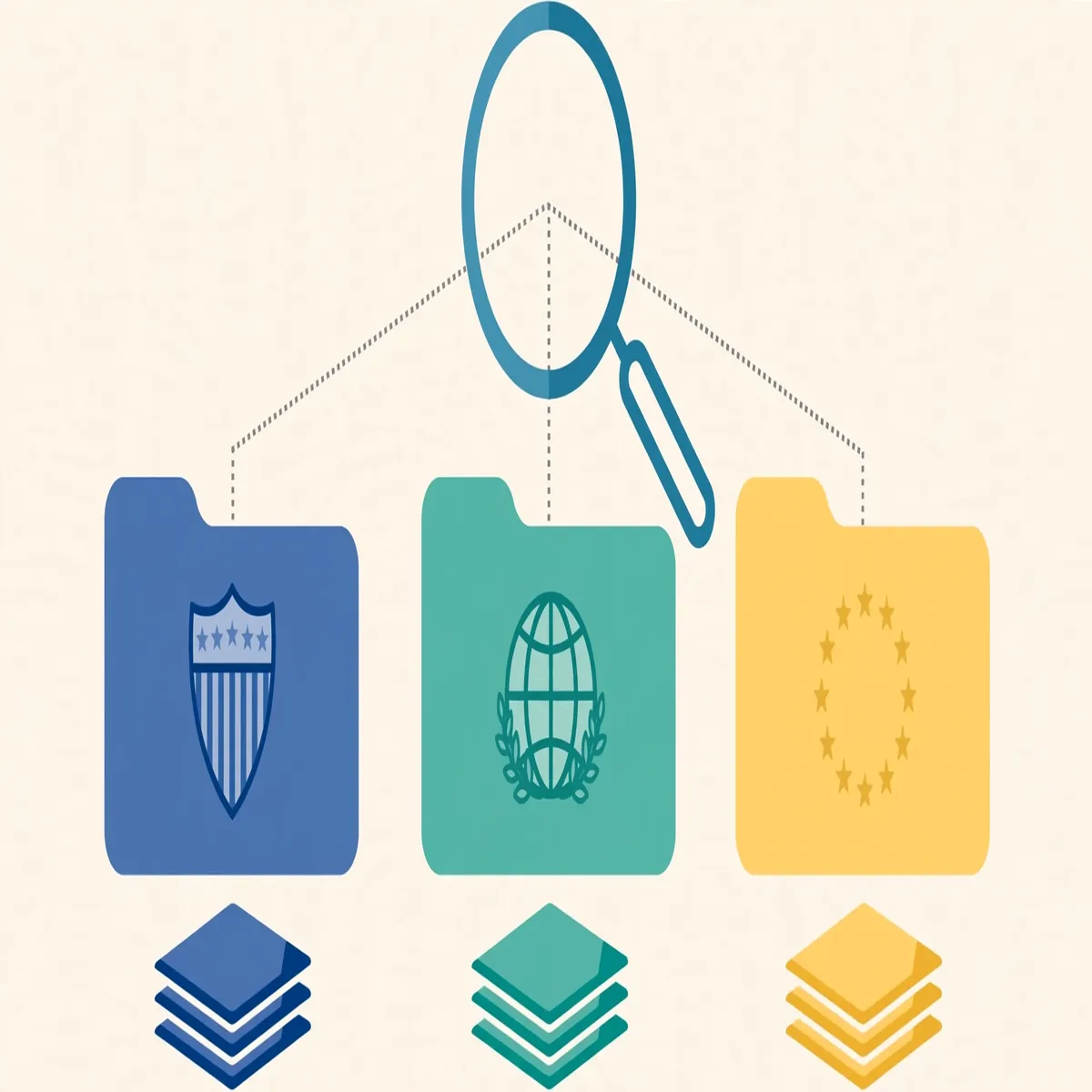
Step 1: Run a Pre-Offer Trademark Screening
Before you contact a seller, screen the name. This step costs very little compared with any later dispute, and it filters out many weak candidates immediately.
Search the Official Databases First
Start with these sources:
- The USPTO’s trademark search system for United States filings.
- WIPO’s Global Brand Database for international registrations.
- The EUIPO’s eSearch plus tool for European Union marks.
- National registries in every market where you plan to operate.
Search for exact matches, then for variations. Include plural forms, misspellings, phonetic equivalents, and translations. In addition, check how the term looks when combined with common prefixes and suffixes.

Understand Classes Before You Panic
Trademarks are registered by class of goods and services. A mark for “Apex” in the footwear class does not automatically block “Apex” in fintech. Nevertheless, famous marks receive broader protection, and related industries can overlap.
Use this rule of thumb:
- Same industry, same term: High risk. Walk away or negotiate carefully.
- Adjacent industry, same term: Moderate risk. Research the owner’s expansion plans.
- Unrelated industry, generic term: Lower risk. Document your intended use.
- Famous mark, any industry: High risk because of dilution doctrine.
Search Beyond the Registries
Common-law rights require a wider net. Check:
- Google and Bing results for the exact term plus your target industry.
- App stores and software marketplaces.
- Social media handles and verified business accounts.
- Business registrations at state and national levels.
- Industry directories and trade publications.
If a company uses the term prominently in your target market, treat it as a potential rights holder even without a registration.
Build a Screening Scorecard
A simple scorecard keeps your team consistent. The table below shows one practical format.
| Risk Factor | Low Risk Signal | High Risk Signal | Action |
|---|---|---|---|
| Exact-match registered mark | None in your classes | Active mark in your classes | Stop or seek coexistence |
| Famous or well-known mark | Not applicable | Name evokes a global brand | Avoid entirely |
| Common-law use | No commercial use found | Prominent use in your market | Investigate owner and scope |
| Term type | Generic or dictionary word | Coined or invented term | Coined terms carry higher risk |
| Prior registrant behavior | Clean history | Multiple UDRP losses | Request legal warranty |
| Intended use | Clear, legitimate plan | Vague or resale-focused | Write a use plan |
Step 2: Audit the Domain’s History and Registrant Behavior
A name’s past often predicts its future problems. Therefore, review its history before you negotiate price.
Check Ownership and Usage Records
Look for:
- Historical WHOIS and registration data: Identify prior owners and registration dates.
- Web archive snapshots: See how the domain was used and whether it ever hosted content that referenced a brand.
- Backlink profiles: Spot links that point to another company’s former site.
- Blacklist and spam records: Confirm the domain has no malware or reputation damage.
A domain that once belonged to a brand, a competitor, or a defunct business may carry hidden claims. Moreover, a past owner might have registered the name specifically to exploit a mark.
Evaluate the Seller
The seller’s behavior matters as much as the name. Ask yourself:
- Does the seller hold many names that resemble famous marks?
- Has the seller faced UDRP complaints or reverse domain name hijacking findings?
- Will the seller provide a written warranty about ownership and legal status?
- Does the seller use a reputable marketplace with escrow?
Reputable brokers and marketplaces answer these questions openly. If a seller dodges them, treat that as a signal in itself.
Understand How Valuation and Legal Risk Interact
Legal risk is a pricing input. Review how technical and market factors shape domain valuation and then adjust the offer for any unresolved trademark exposure. A name with a visible conflict deserves a discount, a seller warranty, or both.
Step 3: Document a Good-Faith Use Plan
Intent decides most disputes. Consequently, you should record your reasons for choosing the name at the moment you choose it.
What to Put in Writing
Create a short memo that includes:
- Why this name: The meaning, the meaning’s relevance to your product, and any naming research.
- Planned use: Product category, launch timeline, and customer segment.
- Absence of targeting: A statement that you selected the name for its descriptive or brand value and not to target a specific mark owner.
- Diligence performed: Search dates, databases consulted, and results.
- Internal approvals: Who reviewed and approved the purchase.
Store the memo with dated screenshots of your searches. If a complaint arrives, this file proves that you acted deliberately and in good faith.
Tie the Name to a Real Business Plan
Panels give more weight to buyers who actually build something. A concrete roadmap with a website, a product, or a campaign signals legitimate use. In contrast, a parked page with ads related to a competitor’s brand invites trouble.
If you are naming a new venture, the guidance in this overview of how to choose a domain name for a new business helps you align the name with a plan that stands up to scrutiny.

Step 4: Structure the Acquisition to Allocate Risk
Even careful buyers cannot eliminate risk. Contracts, however, can allocate it fairly.
Essential Contract Protections
Negotiate the following terms:
- Seller representations and warranties: The seller confirms lawful ownership and no known disputes.
- Indemnification: The seller covers losses if a third party proves a prior claim.
- Disclosure obligations: The seller reveals past complaints, letters, or threatened claims.
- Escrow release conditions: Funds release only after transfer and a short inspection window.
- Holdback or partial escrow: A portion of the price stays in escrow for a defined period.
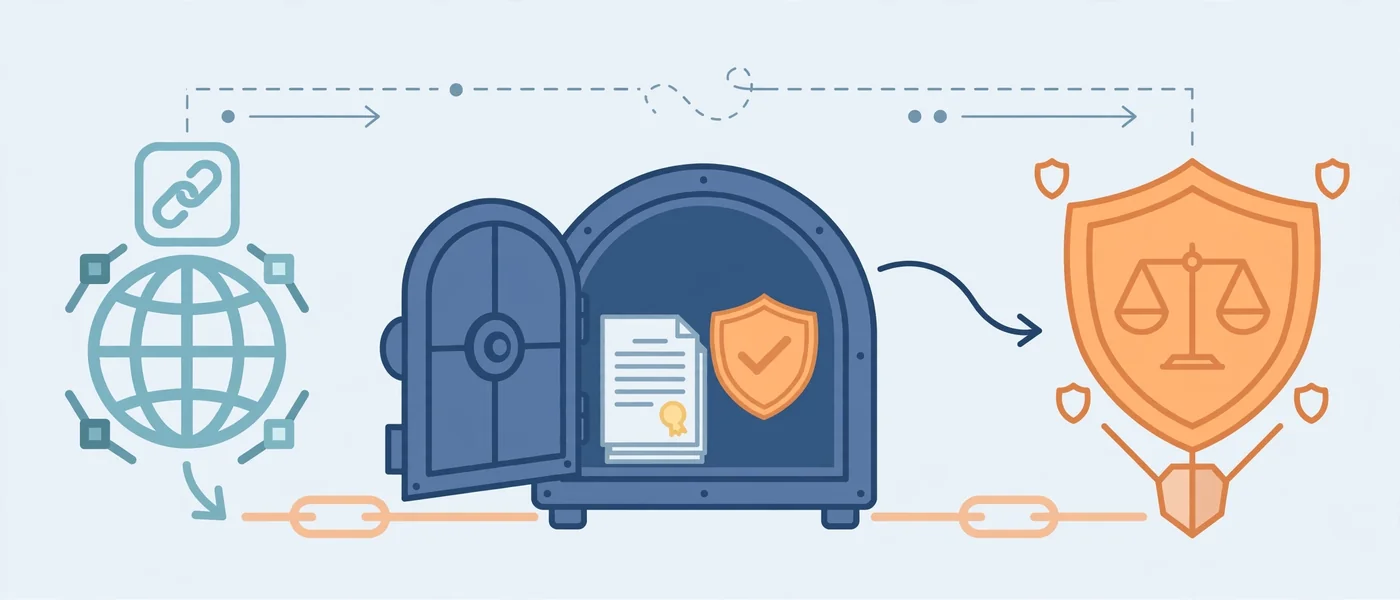
Use Escrow Correctly
Escrow protects both sides during the transfer, but it does not resolve a trademark dispute. Treat escrow as a payment safeguard and not as a legal clearance. For a deeper look at transfer mechanics, read the complete acquisition process for buying an ultra premium domain name.
Consider Insurance and Legal Review
Some buyers purchase specialized coverage or retain counsel on a flat-fee basis for high-value deals. A one-hour review by a trademark attorney often costs a small fraction of the purchase price. In practice, that review frequently catches issues that automated searches miss.
Comparing Your Options When a Conflict Appears
Sometimes a conflict surfaces after you have already shortlisted or even purchased a name. At that point, you choose among several responses.
| Option | Best For | Typical Cost | Speed | Main Risk |
|---|---|---|---|---|
| Walk away before purchase | Clear same-industry conflict | Minimal | Immediate | Losing a desirable name |
| Negotiate a coexistence agreement | Adjacent industries, willing owner | Moderate legal fees | Weeks | Restrictive use terms |
| Buy from the mark owner or sell to them | Owner wants the name badly | Varies widely | Weeks to months | Overpaying or underpricing |
| Defend a UDRP complaint | Strong legitimate interest | Legal fees plus panel costs | About two months | Loss means transfer |
| Defend an ACPA lawsuit | High-stakes disputes | Substantial litigation costs | Many months | Damages and fees exposure |
| Settle before filing | Weak position or high uncertainty | Negotiated | Days to weeks | Giving up a valuable asset |
The table shows why prevention wins. Every response after a complaint costs more time and money than screening before an offer.
UDRP vs. ACPA: What Each Path Means for a Buyer
Understanding the two main legal routes helps you gauge worst-case outcomes.
| Feature | UDRP | ACPA |
|---|---|---|
| Forum | Administrative panel (for example, WIPO) | U.S. federal court |
| Remedies | Transfer or cancellation | Transfer, cancellation, and statutory damages |
| Monetary damages | Not available | Statutory damages per domain, as set by U.S. law |
| Speed | Roughly two months | Often a year or longer |
| Cost | Lower | Higher |
| Appeal | Limited; court action remains possible | Standard federal appeals |
The ACPA appears at 15 U.S.C. § 1125(d), and its statutory damages range is set by the statute itself, so confirm current figures with counsel. Meanwhile, UDRP filing fees vary by provider and panel size, so check the current schedule before you budget.
Reverse Domain Name Hijacking
Panels can find that a complainant abused the process to take a name it had no right to. This finding is called reverse domain name hijacking. It does not award damages under the UDRP, but it signals that your position was legitimate. Consequently, strong documentation helps you secure that finding if the owner overreaches.
Common Mistakes That Create Avoidable Trademark Disputes
Many conflicts trace back to the same errors. Avoid these:
- Searching only one database: A USPTO search says nothing about EU or Asian marks.
- Ignoring common-law rights: Unregistered brands can still win disputes.
- Buying a name that mirrors a famous brand: Dilution claims apply even across industries.
- Skipping the use plan: Without evidence of legitimate intent, you look like a squatter.
- Using the domain for competitor-adjacent ads: Parked pages with brand-related ads damage good-faith arguments.
- Accepting vague seller promises: Verbal assurances vanish when a dispute starts.
- Assuming escrow equals legal safety: Escrow moves money; it does not clear title.
- Delaying legal review: Early advice is cheap and late advice is expensive.
Each mistake is preventable, and most take only a few hours to fix.
Expert Tips for Ultra Premium Domain Buyers
Experienced acquirers share several habits.
- Screen before you fall in love. Emotional attachment to a name pushes buyers to rationalize red flags.
- Search in your customers’ language. A harmless English word can be a protected brand elsewhere.
- Date and archive everything. Screenshots, search logs, and emails form your evidence file.
- Match the use to the meaning. A dictionary word used for its dictionary meaning is far safer than the same word used to mimic a brand.
- Keep branding distinct. Avoid logos, colors, or slogans that resemble an existing mark.
- Plan for expansion. A name that works today may conflict with a mark in your next market.
- Set a walk-away threshold. Decide in advance which findings end the negotiation.
Strong names also reinforce trust when you handle them correctly. The article on how ultra premium domains build brand credibility explains why a legally clean name compounds that benefit over time.
Generic Terms, Descriptive Words, and Safe Harbors
One-word domains often include ordinary dictionary terms. These names offer real advantages, yet they still need care.
Why Dictionary Words Are Often Safer
Generic and descriptive words are harder to monopolize. A company cannot normally claim exclusive rights to a common word for the thing the word describes. Therefore, buying a name for its ordinary meaning, in an industry where that meaning applies, tends to be defensible.
Where Dictionary Words Still Create Risk
Risk rises when:
- The word has become a famous brand and the public links it to one company.
- You use the word in the same class as the registered mark.
- Your content references the brand owner’s products or reputation.
- The domain includes a modifier that makes it resemble a known brand.
Practical Safe Practices
- Use the term for its natural meaning.
- Avoid references to existing brands on your site.
- Add a clear, accurate identity so visitors know who you are.
- Respond professionally to any inquiry and keep records.
Industry-Specific Trademark Risk Patterns
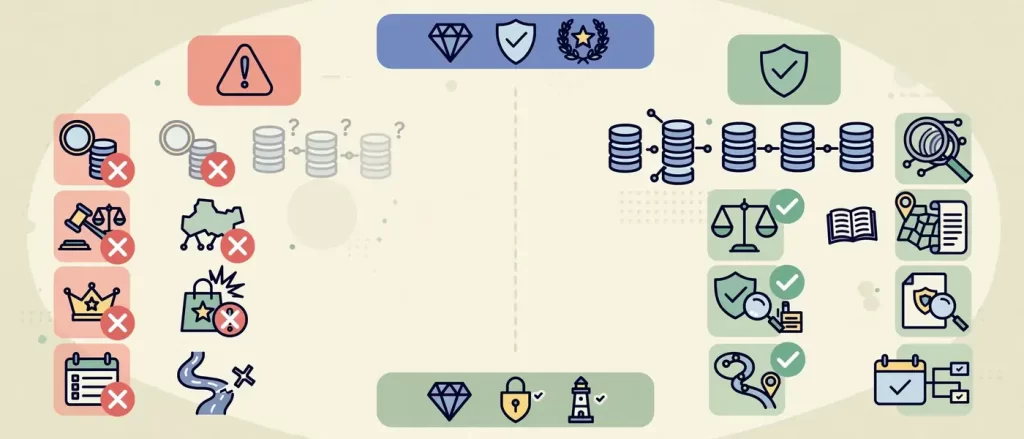
Different sectors face different levels of exposure. Understanding your sector helps you calibrate your diligence.
- Fintech and payments: Heavy trademark activity and strong enforcement. Add extra screening on financial-services classes, and confirm that your use plan matches a regulated business model.
- Software and AI: Coined terms and short names crowd the registries. Expect many similar marks.
- Consumer brands: Brand owners monitor aggressively and move fast.
- Healthcare and life sciences: Regulated terms and product names create layered rights.
- Media and entertainment: Titles, characters, and franchises carry strong protection.
In every sector, the same four-step process applies. Only the depth of the search changes.
A Practical Pre-Acquisition Checklist
Use this checklist to organize your work. Copy it into your deal file and tick each item as you finish it.
Screening
- Searched USPTO and relevant national registries
- Searched WIPO Global Brand Database
- Reviewed common-law use on the open web
- Completed the scorecard and recorded a risk level
History
- Reviewed historical registration and WHOIS data
- Checked web archive snapshots
- Verified no spam or malware flags
- Assessed the seller’s dispute history
Documentation
- Wrote a good-faith use plan
- Saved dated screenshots and search logs
- Recorded internal approval
Contract
- Obtained seller warranties and indemnity
- Set escrow release conditions and any holdback
- Consulted a trademark attorney
What To Do If You Receive a Cease-and-Desist Letter

Even well-prepared buyers sometimes receive a demand. Stay calm and follow a clear process.
- Do not ignore it. Silence can look like bad faith.
- Do not reply emotionally. Avoid admissions or threats.
- Preserve evidence. Save the letter, your diligence file, and all traffic data.
- Contact counsel. A trademark attorney can assess the claim’s strength quickly.
- Review the claim. Check the complainant’s registrations, classes, and priority dates.
- Choose a response. Reply with facts, negotiate, or defend.
- Pause risky activity. Remove any content that references the complainant.
Often, a measured response resolves the matter. Many letters are opening bids and not final positions.
Financial Perspective: Treating Legal Risk as Part of Asset Value
Domains function as both brand infrastructure and holdings. If you think of a name as a long-term position, legal clarity becomes part of its value. The framework in domain names as an alternative asset class shows why title quality, liquidity, and defensibility matter to anyone who treats a domain as capital.
A name with a clean record is easier to finance, easier to resell, and easier to defend. By contrast, a name tied to unresolved claims trades at a discount or not at all. Consequently, spending a little on diligence protects both your use value and your exit value.
Building a Repeatable Trademark Review Process
Organizations that buy multiple names benefit from a standard workflow.
- Assign ownership: One person or team owns the review.
- Use templates: Standard scorecards and memos save time.
- Define thresholds: Set clear approval levels based on price and risk score.
- Review annually: Re-screen your portfolio as new marks appear.
- Track outcomes: Record how past deals performed and improve the process.
Over time, this process reduces cost per deal and raises confidence across the team.
Frequently Asked Questions About Domain Name Trademark Conflict
What is a domain name trademark conflict?
A domain name trademark conflict occurs when a domain is identical or confusingly similar to a protected trademark and the owner claims the domain misleads consumers or profits from its reputation. Resolution happens through negotiation, a UDRP complaint, or court action.
How can I check for a domain name trademark conflict before buying?
Search the USPTO database, the WIPO Global Brand Database, and relevant national registries. Then search the open web for unregistered brand use, review the domain’s history, and document your results in a dated file.
Can I lose a domain I legitimately bought?
Yes. If a panel finds that you lack legitimate interest and that registration and use were in bad faith, it can order transfer or cancellation. Therefore, diligence and documentation matter even when you purchase from a reputable seller.
Does owning a generic dictionary word protect me from trademark claims?
It helps, but it does not guarantee safety. Using a dictionary word for its ordinary meaning is usually defensible. However, using it to mimic a brand or in the same class as a registered mark can still create a conflict.
What is the difference between UDRP and ACPA?
The UDRP is a faster administrative process that can transfer or cancel a domain. The ACPA is a U.S. federal law that allows lawsuits with potential statutory damages. Each route carries different costs, timelines, and risks.
Does escrow protect me from a trademark dispute?
No. Escrow protects the payment and transfer process. It does not clear title or resolve a third party’s trademark rights, so you still need screening and contract warranties.
What should I do if the seller will not provide warranties?
Treat the refusal as a risk signal. You can request a lower price, a larger escrow holdback, or a different seller. In many cases, walking away is the safest choice.
How long does a UDRP proceeding take?
Most proceedings conclude in roughly two months from filing, though timing varies by provider and case. Court actions under the ACPA usually take much longer.
Should I involve a trademark attorney?
For ultra premium acquisitions, yes. A short review before closing costs far less than a dispute afterward, and counsel often spots conflicts that standard searches miss.
Conclusion: Prevent the Domain Name Trademark Conflict Before It Starts
A domain name trademark conflict is far easier to prevent than to defend. The winning sequence is simple: screen the name before you make an offer, audit its history, document your good-faith plan, and structure the contract so risk lands on the party who can control it. Moreover, each step creates evidence that protects you if a brand owner ever challenges the purchase.
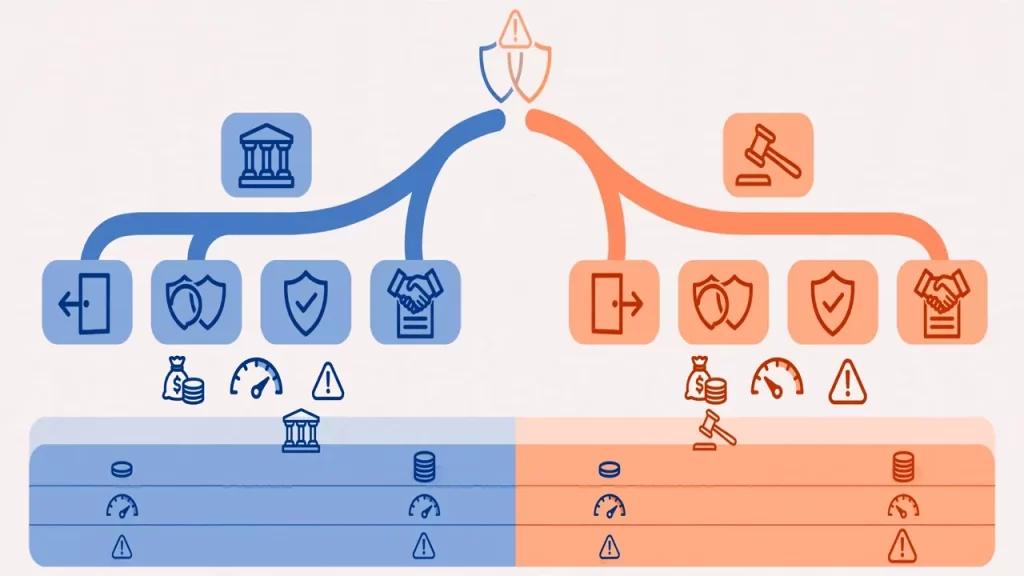
Treat trademark diligence as part of the price of an ultra premium name and not as an optional extra. When you do, you protect your capital, your brand, and your timeline. If you want a name that fits your business and passes this level of scrutiny, acquire a conflict-screened ultra premium domain today and start building on a foundation you can defend.