
How to sell a premium domain comes down to three controlled variables: defensible valuation anchored to end-user buyer economics, a verified-ownership listing positioned in front of qualified decision-makers, and an escrow-secured closing with a registrar-level push transfer. Sellers who anchor price to comparable sales and brand-equity value, rather than registration cost or generic appraisal tools, consistently achieve stronger outcomes and shorter negotiation cycles. The sections below break down each variable into an executable workflow covering pricing models, channel selection, outbound strategy, negotiation, and transfer mechanics.
For sellers who want a reference point on what buyers evaluate, review how curated ultra premium domain inventory with escrow-backed transfer is structured, then apply the same standards to your own asset.
What Counts as an Ultra Premium Domain Name
An ultra premium domain name is a short, memorable, brandable, or category-defining web address, usually a one-word or highly generic .com, that carries strong commercial value and appeals to well-funded end users. These names often trade for five, six, or seven figures because they function as brand assets, not simple URLs.
Not every good domain qualifies. A quick test helps you place your asset correctly before you price it.
Typical traits of an ultra premium name:
- One or two real words, or a very short invented brand
- A .com extension, or a dominant extension in a specific industry
- Easy spelling and clean pronunciation
- No hyphens, numbers, or awkward characters
- Clear commercial relevance to a large industry
- No trademark entanglements
Meanwhile, a good domain that fails two or three of these tests still has value. However, you should price it as a premium domain, not as an ultra premium one. Mislabeling your asset is the first pricing error, and it undermines credibility with serious buyers.
Premium vs Ultra Premium: A Quick Comparison
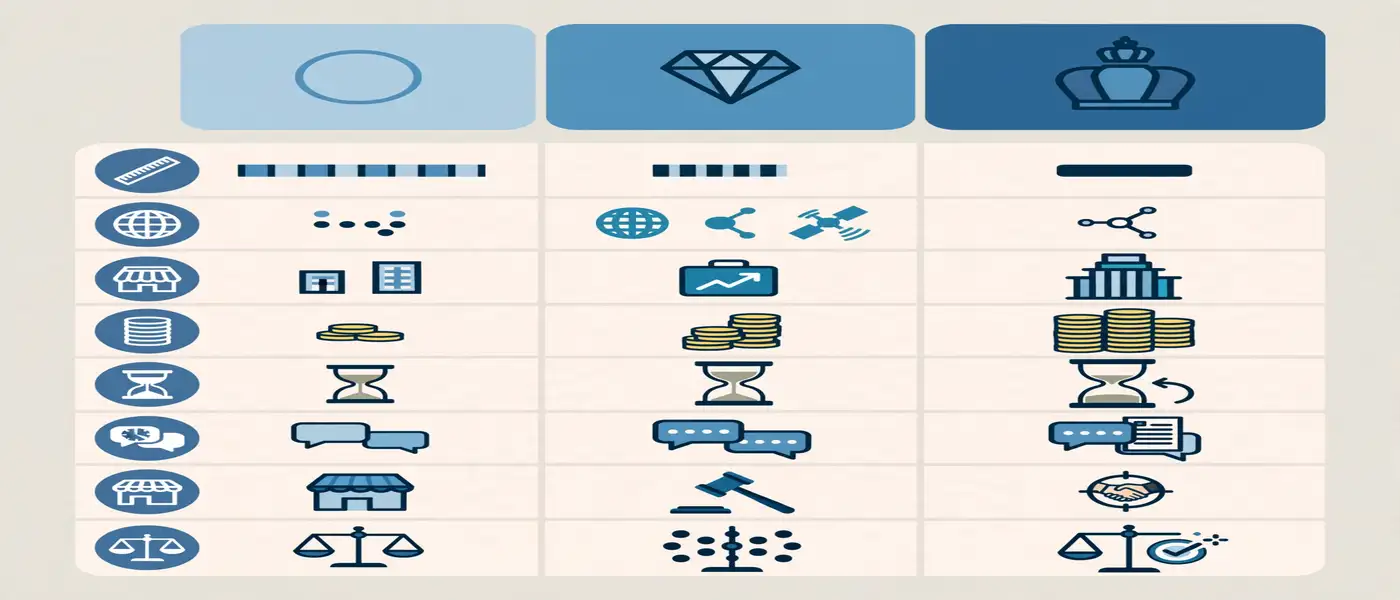
| Attribute | Standard Premium Domain | Ultra Premium Domain |
|---|---|---|
| Typical length | 6-12 characters | 3-8 characters or a single strong word |
| Extension | .com, .io, .ai, others | Mostly .com |
| Buyer type | Startups, small businesses, investors | Funded companies, enterprises, category leaders |
| Price range | Low four to low five figures | High five figures to seven figures |
| Sales cycle | Weeks | Weeks to months |
| Negotiation style | Quick back-and-forth | Multi-stakeholder, often with counsel |
| Best channel | Marketplace, auction | Broker, direct outreach, curated marketplace |
Understanding where you sit on this spectrum shapes every decision that follows.
How to Sell a Premium Domain: The 7-Step Process at a Glance
Before diving deep, here is the full workflow in sequence. Use it as a checklist.
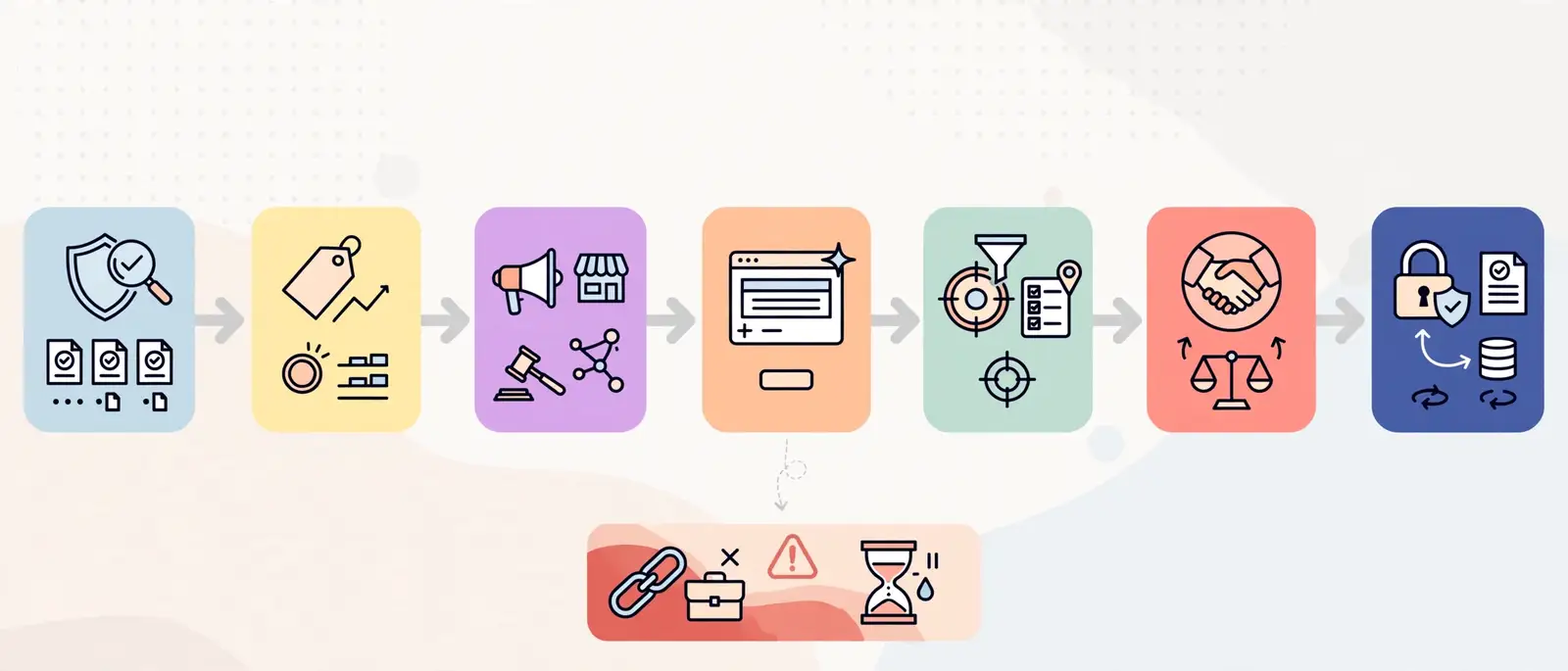
- Verify ownership and audit legal risk
- Price the domain using buyer economics and comparable sales
- Choose a channel: marketplace, broker, auction, or direct outreach
- Build a conversion-focused listing with a dedicated landing page
- Identify and qualify buyers through targeted outbound
- Negotiate with a floor, a target, and a walk-away rule
- Close through escrow and complete a registrar push or transfer
Each step feeds the next. Skip one, and the weakness shows up later as a lost buyer or a delayed payout.
Step 1: Verify Ownership and Remove Legal Risk
Buyers of ultra premium domains do not move forward until the title is clean. Therefore, begin with a ownership and risk audit before you speak to anyone.

Confirm Registrar Control and Account Security
Log in to your registrar and confirm that the account owner, registrant details, and contact email are current. Next, enable two-factor authentication. Finally, store your authorization (EPP) code securely, because you will need it at closing.
Registrars commonly apply transfer locks after a new registration or after certain registrant changes. ICANN’s transfer policy for registrants explains how these rules work. Check yours early, since a lock can delay an otherwise ready closing.
Run a Trademark and Dispute Check
Trademark conflicts reduce price and scare off enterprise buyers. Search national trademark databases for identical or confusingly similar marks. In addition, review whether the name resembles a famous brand.
If a brand owner challenges a domain, the process often runs through the Uniform Domain-Name Dispute-Resolution Policy. The WIPO domain name dispute resolution service describes the standards a complainant must meet. Sellers who understand those standards can spot weak spots before a buyer’s lawyer does.
Gather a Seller’s Documentation Pack
Prepare these items before you list:
- Proof of registration history and registrant control
- A short statement confirming you hold the right to sell
- Any past traffic, inbound offer, or development history
- A clean WHOIS or RDAP record, with privacy settings reviewed
- Current renewal date and registrar name
This pack signals professionalism. It also shortens due diligence once a buyer shows interest.
Step 2: Price Your Ultra Premium Domain Name
Pricing decides whether you sell at all. Set it too high, and serious buyers walk away. Set it too low, and you leave six figures on the table. Consequently, you need a method, not a guess.

Start With Buyer Economics, Not Registration Cost
Your registration fee is irrelevant to the buyer. What matters is what the name does for their business. Ask four questions:
- How much would a comparable rebrand cost?
- How much paid acquisition could a stronger name offset?
- How much trust and recall does the name create at first sight?
- How scarce is an equivalent asset in this industry?
To go deeper on the drivers, read this breakdown of the technical and market factors that determine domain valuation. It maps well to the checklist below.
Core Valuation Factors for Premium Domain Pricing
| Factor | What Buyers Look For | Pricing Impact |
|---|---|---|
| Length | Fewer characters, easier recall | High |
| Extension | .com preferred in most sectors | High |
| Brandability | Distinct, pronounceable, ownable | High |
| Keyword strength | Exact category match, search demand | Medium to high |
| Industry value | Finance, health, AI, and SaaS often stronger | High |
| Linguistic quality | Real word, clean spelling, no confusion | Medium |
| Trademark risk | Clear of conflicts | Very high (negative if present) |
| Comparable sales | Recent sales in similar names | High |
| Traffic and history | Clean backlink profile, no spam past | Low to medium |
Three Pricing Models Sellers Use
| Pricing Model | How It Works | Best For | Risk |
|---|---|---|---|
| Fixed asking price | You publish one number | Clear comps, motivated sale | May anchor too low |
| Make-offer listing | Buyers propose a number | Unique names with hard-to-compare value | Attracts low-ball inquiries |
| Floor plus negotiation | You state a private minimum and open higher | Ultra premium and one-of-a-kind names | Requires discipline |
For most ultra premium names, the third model works best. You keep leverage because the buyer does not see your floor.
Use Comparable Sales the Right Way
Comparable sales give you credibility. Still, apply them carefully. Match on length, extension, word type, and industry. Then adjust for brand strength and buyer capacity.
Public sales data and market reports help you find real reference points. For a wider view of how top-tier transactions behave, study the ultra premium domain market trends and sales records. Use recent data, because a record sale from years ago may not reflect today’s demand.
Treat the Domain as an Asset
Sophisticated buyers think about domains the way investors think about scarce assets. They compare holding cost, upside, and liquidity. Understanding this mindset helps you justify a premium. This analysis of the domain name as an alternative asset class shows why scarcity and brand equity push prices upward.
Show Image
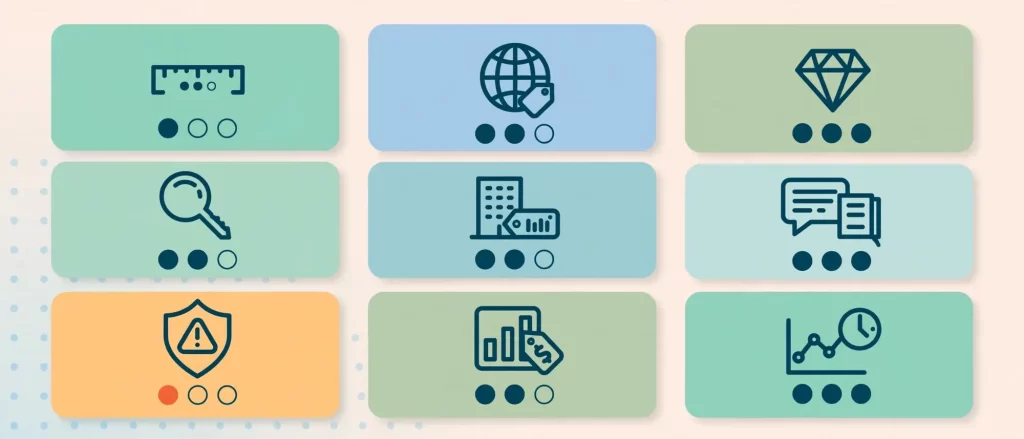
Image title: Premium Domain Pricing Factors Matrix SEO filename: premium-domain-pricing-factors-matrix.webp ALT text: Matrix of valuation factors used when learning how to sell a premium domain at the right price Caption: Length, extension, brandability, and industry value drive most pricing decisions. Design idea: A 3×3 grid of cards, each showing one factor with a high, medium, or low impact indicator.
Set Your Three Numbers Before You Talk to Anyone
Write down these figures and keep them private:
- Opening price: the number you state first
- Target price: the number you realistically want
- Walk-away floor: the lowest figure you will accept
Without these three numbers, emotion takes over mid-negotiation. With them, you stay calm and consistent.
Step 3: Choose the Right Selling Channel
Channel choice affects both price and speed. In other words, the same domain can sell for very different amounts depending on where you place it.

Selling Channel Comparison
| Channel | Typical Fee | Speed | Best For | Main Drawback |
|---|---|---|---|---|
| Public marketplace | Commission on sale | Slow to moderate | Mid-tier premium names | Crowded, price-sensitive buyers |
| Domain broker | Commission, often higher | Moderate | Ultra premium names | Fee and broker selection matter |
| Auction | Commission plus listing fees | Fast, time-boxed | Names with broad appeal | Can underprice unique assets |
| Direct outreach | Your time | Variable | Names with obvious end users | Requires research and skill |
| Curated premium marketplace | Varies | Moderate | Brand-grade names | Selective acceptance |
| Own landing page | Hosting cost | Slow, inbound only | Supporting every other channel | Needs traffic to work |
When a Broker Makes Sense
A broker adds value when the name is rare, the buyer is likely a large company, or you lack time for outreach. Good brokers bring buyer lists, negotiation experience, and calm communication. Interview at least two before you sign. Ask about past sales, fee structure, exclusivity length, and how they contact buyers.
When to Combine Channels
You can run several channels at once, though you should avoid conflicting prices. Typically, a seller lists on a marketplace, builds a dedicated landing page, and conducts targeted outreach. Keep a single price logic across all of them.
Step 4: Build a Listing That Converts
A listing is a sales page, not a placeholder. Treat it like one. Strong pages answer buyer questions before the buyer asks them.
Essential Elements of a High-Converting Domain Landing Page
- A clear headline: “This domain is available for acquisition”
- A short value statement explaining what the name could power
- A simple inquiry form with name, company, budget range, and timeline
- Trust signals: escrow service, registrar, and years held
- A fast, mobile-friendly design
- Clean privacy and contact information
Google’s guidance on creating helpful, people-first content also applies to sales pages. Clear authorship, accurate details, and transparent contact information build trust with both visitors and search systems.
Write Listing Copy That Sells the Outcome
Avoid generic phrases like “perfect domain for your business.” Instead, describe real use cases. For example, a one-word fintech name could mention trust, memorability, and global reach. Be specific, but do not overpromise.
Compare weak and strong copy:
| Weak Copy | Strong Copy |
|---|---|
| “Great domain for any business” | “A one-word .com built for fintech brands that need instant credibility” |
| “Price negotiable” | “Submit your offer and timeline for a confidential response” |
| “Contact me” | “Request the acquisition brief and escrow details” |
Show Buyers What the Name Can Do
Buyers pay more when they can picture the brand. Consider adding a simple mockup of a logo, a sample homepage, or a few email address examples. As a result, the domain feels like a ready-made brand, not an abstract string of letters.
For example, listings in competitive sectors can benefit from sector-specific framing. Read how an ultra premium domain for fintech companies supports trust and category authority. Borrow the logic that fits your niche.
Add Basic On-Page SEO to the Listing
You do not need heavy SEO here. Still, a few basics help. Use a descriptive title tag, a short meta description, a clean URL, and one relevant image with ALT text. In addition, make sure the page loads quickly on mobile.
Step 5: Find and Qualify End-User Buyers
Passive listings rarely close ultra premium sales. Active, targeted outreach does. In fact, the strongest buyers often do not know your domain exists until you contact them.

Build a Qualified Buyer List
Look for companies that match the name’s category and have budget. Start with:
- Funded startups that recently raised capital
- Established companies using a weaker or longer domain
- Brands launching a new product line
- Companies rebranding or merging
- Competitors of firms that already own a strong name
- Investors and holding companies building a brand portfolio
Understanding how buyers think helps you speak their language. This guide to the complete acquisition process for buying an ultra premium domain name shows the steps a buyer follows, so you can answer their questions in advance.
Write Outreach That Gets Replies
Keep the first message short. Focus on value, not on pressure. A strong outreach email includes:
- A personalized first line referencing the company
- One sentence on why the domain fits their brand
- A clear, soft call to action
- Your name and a verifiable way to confirm legitimacy
Sample structure:
Subject: A stronger domain for [Company]
Hi [Name], I noticed [Company] is growing in [market]. I hold [domain], which matches your category and could simplify your brand. Would you like a short acquisition brief?
Avoid mass blasts. Instead, send a small number of well-researched messages. Follow up two or three times across several weeks, then pause.
Identify the Right Decision-Maker
The right person is rarely the one with “domain” in a title. Instead, aim for founders, CMOs, heads of brand, or corporate development leads. For larger firms, also consider the general counsel or the CFO, since both may approve the spend.
Qualify Before You Invest Time
Ask early questions to filter serious buyers:
- What is your timeline?
- Who else is involved in the decision?
- Do you have a budget range?
- Will you use an escrow service?
Serious buyers answer without friction. Casual browsers disappear, and that saves you time.
Think About AI-Driven Buyer Demand
New AI-focused companies are reshaping which names command premiums. Short, brandable, category-relevant names attract strong interest from this segment. For more on this shift, see how AI changes domain name value and pricing. If your name fits the sector, tailor your outreach to those buyers.
Step 6: Negotiate Without Losing Leverage
Negotiation is where many sellers lose money. The goal is not to win every point. Rather, it is to keep control of price while keeping the buyer engaged.

Core Negotiation Rules
- Let the buyer speak first when they have a budget in mind
- Anchor high, but within a defensible range
- Never reveal your floor
- Trade concessions, such as payment terms, for price
- Respond within a reasonable window, so momentum stays alive
- Put everything in writing before escrow begins
Common Buyer Tactics and Your Response
| Buyer Tactic | What It Means | Better Response |
|---|---|---|
| “Your price is far above our budget” | Test for flexibility | Ask for their budget, restate the value |
| “We found similar names cheaper” | Anchor to low comps | Request the names, explain differences |
| “We need a discount for quick payment” | Seek an easy concession | Offer a small, defined incentive only if deal closes |
| Going silent | Internal review or lost interest | One polite follow-up, then wait |
| Last-minute price drop | Pressure at closing | Hold terms already agreed in writing |
Know When to Hold and When to Move
Hold firm when the buyer shows strong need and has budget. Move when the offer exceeds your target or when time and risk favor closing. A decent offer today often beats a perfect offer that never arrives.
Use Counsel for High-Value Deals
For deals in the high six or seven figures, involve a lawyer. A short domain purchase agreement should cover price, payment method, transfer timeline, warranties, and confidentiality. Legal review costs little compared with the value at stake.
Step 7: Close With Escrow and Clean Transfer
Closing is the most sensitive stage. Mistakes here cause fraud, delays, or lost money. A neutral escrow service solves most of these risks.
The Standard Escrow Closing Sequence
- Buyer and seller agree on price and terms in writing
- Buyer opens an escrow transaction with a trusted provider
- Buyer deposits funds, and the escrow agent confirms receipt
- Seller initiates the transfer or registrar push
- Buyer confirms receipt and control of the domain
- Escrow releases funds to the seller
- Both parties archive records of the transaction
Registrar Push vs Full Transfer
| Method | How It Works | Speed | Best For |
|---|---|---|---|
| Internal registrar push | Domain moves between accounts at the same registrar | Minutes to hours | Both parties use the same registrar |
| Inter-registrar transfer | Buyer requests transfer using an authorization code | Up to several days | Different registrars |
| Escrow-managed transfer | Escrow agent coordinates steps | Hours to days | High-value or first-time buyers |
Plan the transfer method in advance. If the buyer uses a different registrar, build extra days into the schedule. Remember that ICANN’s registrant transfer rules can affect timing, particularly with new registrations or recent contact changes.
Closing Checklist
- Written agreement signed by both parties
- Escrow account funded and verified
- Domain unlocked and authorization code ready
- DNS and email plans communicated
- Transfer confirmed by the buyer
- Funds released and receipt recorded
- Post-sale note: remove your listing pages and redirects
Payment Structures for High-Value Sales
Not every buyer can pay the full amount at once. Offering flexibility can unlock deals that would otherwise stall. Still, protect yourself with clear terms.
| Structure | Description | Seller Benefit | Seller Risk |
|---|---|---|---|
| Lump-sum payment | Full payment through escrow | Simple, immediate | Smaller buyer pool |
| Installment plan | Domain held in escrow while buyer pays over time | Opens the sale to more buyers | Slower payout, default risk |
| Lease-to-own | Buyer pays monthly, ownership transfers at the end | Steady income, higher total price possible | Long timeline, buyer may stop paying |
| Partial equity or revenue share | Rare, highly structured | Potential upside | Complexity, legal cost |
For installment plans, keep the domain under a neutral third party until the final payment. Never transfer ownership first. Moreover, record the plan in a written contract.
Common Mistakes When Selling a Premium Domain
Avoiding errors protects both your price and your reputation. Watch for these common problems:

- Pricing from registration cost. Buyers care about brand value, not what you paid.
- Relying only on automated appraisals. Tools give rough estimates, not market truth.
- Listing without a landing page. Buyers who find your name need a place to inquire.
- Ignoring trademark risk. One conflict can destroy an otherwise strong deal.
- Revealing your floor early. Once the buyer knows it, they will aim for it.
- Skipping escrow to move faster. Speed means nothing if payment fails.
- Sending mass, generic outreach. Personalized messages perform far better.
- Accepting the first offer without testing it. Often, there is room to counter.
- Letting emotions drive decisions. Attachment to a name can block a good sale.
- Failing to follow up. Many deals close after the third or fourth contact.
Expert Tips From the Seller’s Side
These practical habits separate steady closers from sellers who wait years for an offer.
- Document everything. Save emails, offers, and dates in one folder.
- Keep the renewal automatic. An expired domain loses value fast.
- Control your public footprint. Use consistent contact details across your listing and outreach.
- Update comparable sales every quarter. Markets move, and your price should move with them.
- Think like an investor. Hold only names that fit your strategy, and sell winners at the right time.
- Respect timing. Funding rounds, product launches, and rebrands create buying windows.
- Be easy to work with. Clear, courteous communication closes more deals than aggressive tactics.
- Protect the relationship. Even if a deal fails, a respectful exit can lead to a future sale.
Match Your Timeline to Realistic Expectations
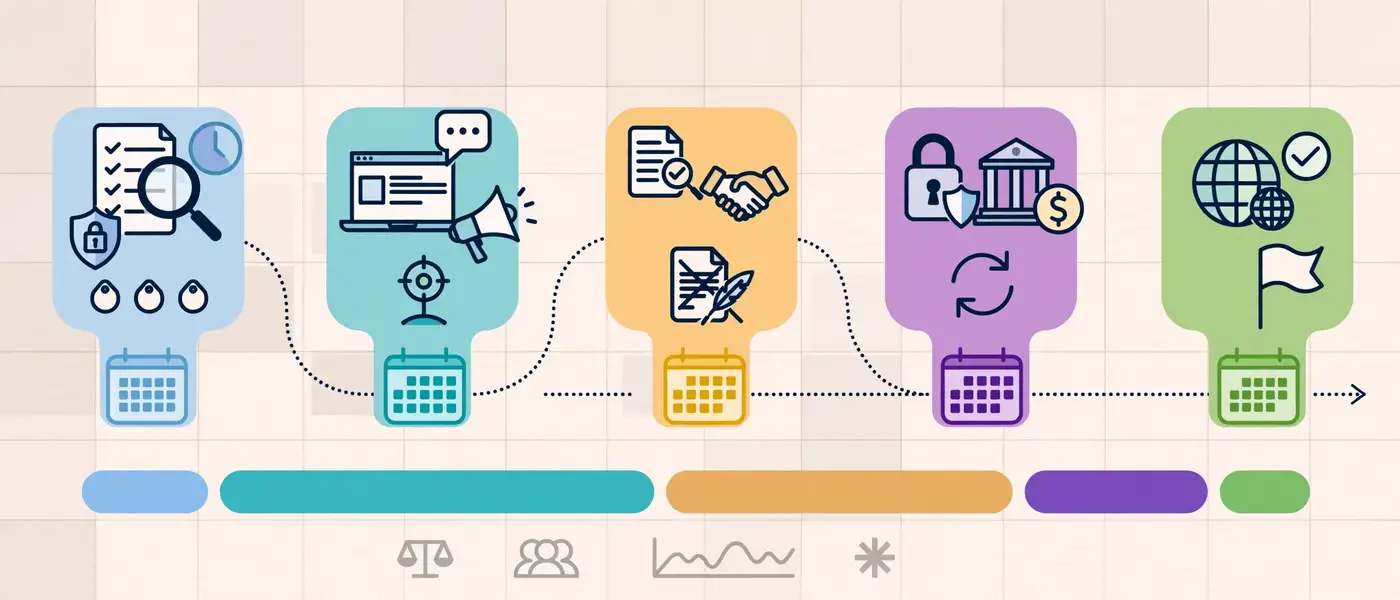
| Stage | Typical Duration | Your Main Task |
|---|---|---|
| Preparation and valuation | 1-2 weeks | Audit ownership, set three price numbers |
| Listing setup | 1 week | Build landing page, enable inquiries |
| Outreach and lead generation | 4-12 weeks | Contact qualified buyers, follow up |
| Negotiation | 1-6 weeks | Counter, trade terms, secure written agreement |
| Escrow and transfer | 3-10 days | Complete funding, push domain, confirm release |
These ranges vary by price, buyer type, and market conditions. Therefore, treat them as guidelines, not promises.
Build Trust With Brand Credibility
Buyers pay premiums for names that make a business look established from day one. When your listing explains this benefit clearly, you shorten the path to a decision. For supporting logic, review how ultra premium domains build brand credibility, then reflect that thinking in your pitch.
Frequently Asked Questions
How do I start if I want to know how to sell a premium domain?
Begin by confirming that you control the domain at your registrar and that it carries no trademark conflicts. Then research comparable sales, set an opening price, a target price, and a walk-away floor, and build a simple landing page with an inquiry form. These steps prepare you for outreach and negotiation.
How much is my premium domain worth?
Value depends on length, extension, brandability, industry demand, and comparable sales. Automated appraisal tools offer a rough starting point. However, the real value is what a motivated end-user buyer will pay to avoid a rebrand or to strengthen their brand.
What is the safest way to sell a premium domain?
Use a neutral escrow service. The buyer deposits funds, you transfer the domain, and escrow releases payment after the buyer confirms control. This sequence protects both parties from fraud and misunderstandings.
Should I use a broker or sell it myself?
A broker helps most with rare, high-value names and with sellers who lack time or buyer access. Self-selling suits sellers who have clear end-user targets and enjoy negotiation. Many sellers combine both approaches, provided exclusivity terms allow it.
How long does it take to sell a premium domain?
Timelines vary widely. Mid-tier names sometimes sell in weeks, whereas ultra premium names can take several months because the buyer pool is smaller and the approval process is longer. Active outreach shortens the average time compared with passive listing.
Do I need a lawyer to sell a premium domain?
For smaller sales, a clear escrow process often covers the basics. For high six-figure and seven-figure deals, a lawyer should review the purchase agreement. Legal review protects price, payment terms, and warranties.
What mistakes lower the price when you sell a premium domain?
Underpricing from registration cost, relying only on appraisal tools, skipping a landing page, and ignoring trademark risk cause the biggest losses. In addition, revealing your price floor early and rushing the closing weaken your negotiating position.
Conclusion
Learning how to sell a premium domain is a process, not a single event. First, verify your ownership and clear legal risk. Next, price the name from buyer economics and comparable sales. Then choose the right channel, build a conversion-focused listing, and reach qualified end users through thoughtful outreach. Finally, negotiate with discipline and close through escrow.

Sellers who follow this sequence protect value at every stage. They avoid the most common mistakes, they communicate clearly, and they keep leverage until the transfer is complete. As a result, they close more deals and earn better prices for their ultra premium domain names.
If you are ready to move from planning to action, explore ultra premium domain opportunities and secure a confident, escrow-protected transaction with IUXOR.